After the devastation of Hurricane Helene, North Carolinians need any positive news we can find this year, so I’m rounding up some 2024 highlights from the wildlife realm.
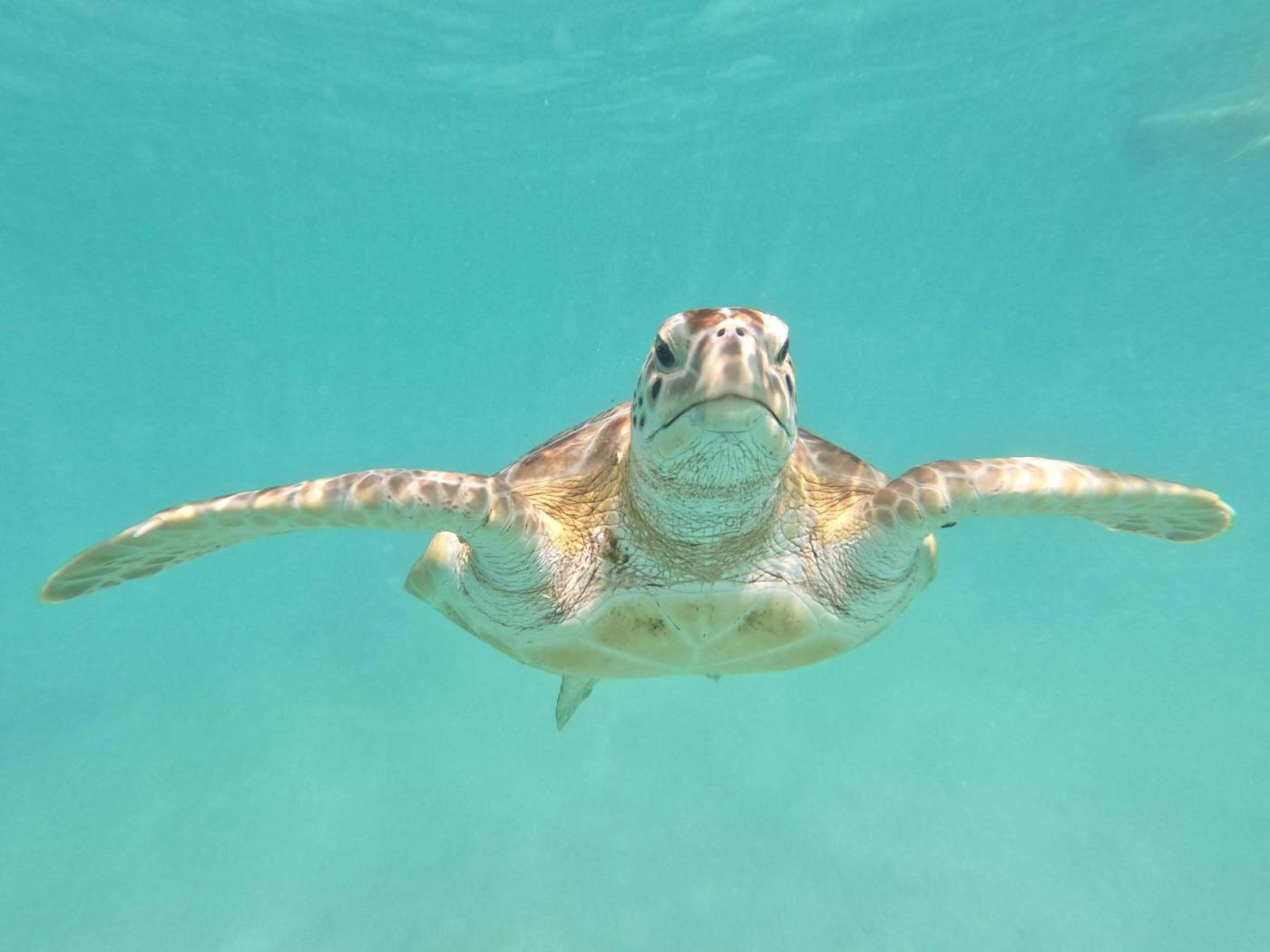
1. 399 Cold-Stunned Endangered Sea Turtles are Rehabilitated and Released
North Carolina Aquarium on Roanoke Island took in 576 cold-stunned sea turtles in December 2024 when the temperatures dropped suddenly. Of those, 399 have been released so far.
Sea turtles get stunned when the ocean temperature drops below 50 F (10 C) and they become weak, lethargic or unable to swim. The sea turtles rehabilitated include the loggerhead, green, and Kemp’s ridley species.
Sea turtles are an endangered species in North Carolina and are protected by the Endangered Species Act.
2. Manatee Rescued from Tar River
A Manatee lost its way and found itself in the Tar River in Greenville. A crew from Sea World was called in to rescue the manatee and brought it to Florida for rehabilitation.
3. Hope for New Breeding Pair of Red Wolves
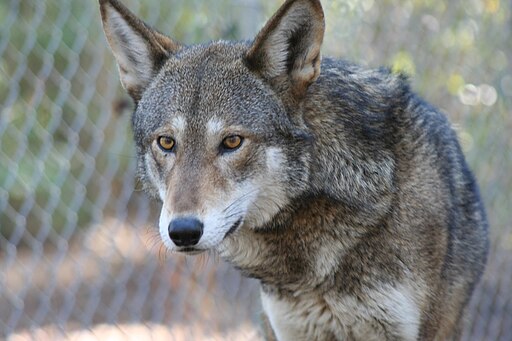
A breeding pair of red wolves is now at the Red Wolf Center in Columbia, North Carolina and hopes are high that they will produce a litter.
Red wolves are critically endangered with only 16 left in the wild being tracked with collars in North Carolina as of Sept 2024, and an estimated 18 to 19 wild, but not collared. Approximately 241 red wolves are captive in breeding facilities in the US.
You can watch the live camera of these Red Wolves in their enclosure.
4. The Red-Cockaded Woodpecker’s Population is Recovering
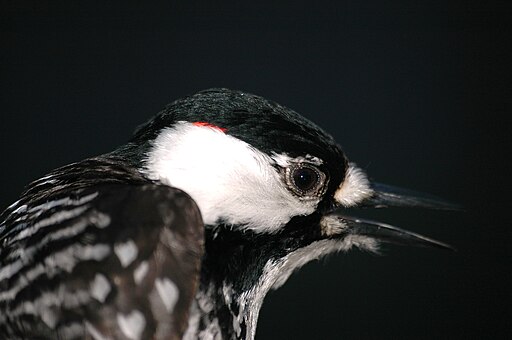
The U.S. Fish and Wildlife Service has moved the red-cockaded woodpecker (RCW) from endangered to threatened. As of 2024, an estimated 18,000 to 19,000 RCWs live across the U.S. RCWs live in the central and eastern parts of North Carolina and nest exclusively by excavating cavities in living pine trees, with the longleaf pine preferred.
The population of RCW used to be over 1.5 million in the southern and eastern U.S. from Florida to New Jersey and Texas. This species was listed as endangered in 1970 with fewer than 10,000 remaining due to habitat destruction.
The strategy of drilling holes in pine trees to create cavities for nesting has been successful in helping their population increase.
5. $25 Million Awarded to NC to Increase in Number of Wildlife Crossings
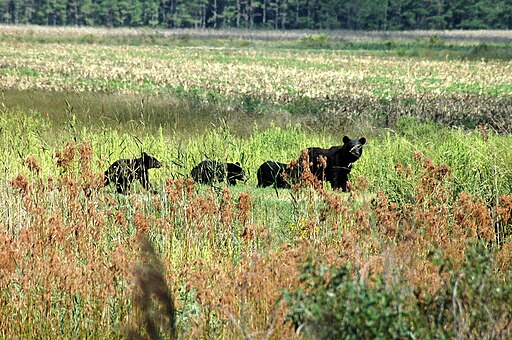
U.S. Fish and Wildlife Service Southeast Region, Public domain, via Wikimedia Commons
This grant from the Federal Highway Administration will fund 11 wildlife underpasses along highways in northeastern North Carolina, including the Alligator River National Wildlife Refuge. Vehicles and large wildlife have collided on 22,000 occasions from 2021 to 2023 in North Carolina.
All wildlife, including the American black bear, white-tailed deer, and endangered red wolves will benefit from reduced vehicle collisions.
6. 17 Lemurs Born at the Duke Lemur Center in 2024
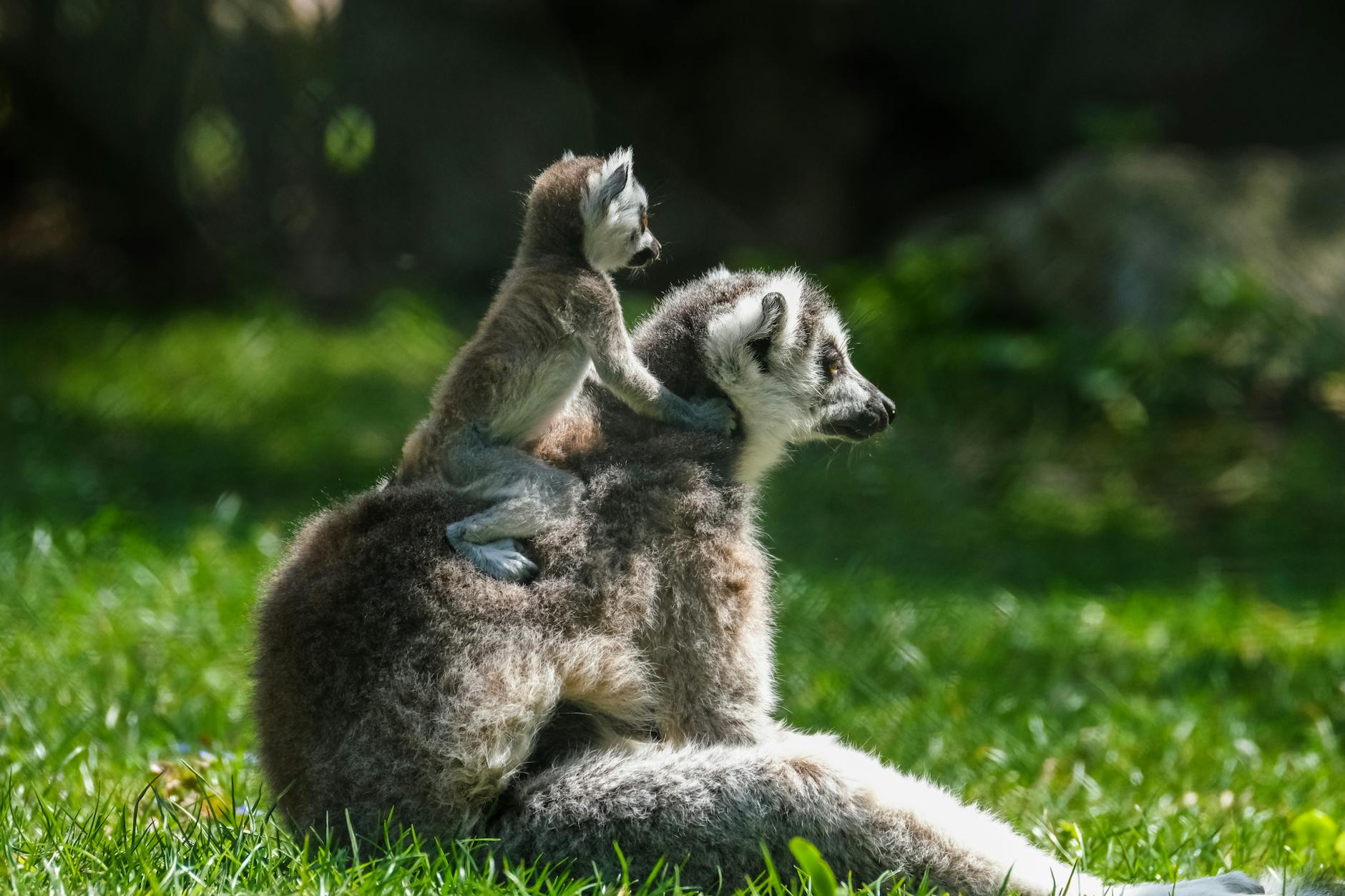
The Duke Lemur Center (DLC) added 17 more lemurs to the 200 lemurs it has. The DLC is a non-invasive research center that is open to the public and has a conservation breeding program. Since it opened in 1966, 3,405 lemurs have been born in their program.
For photos of the 2024 babies, see the DLC website.
These are some adorable babies at the Duke Lemur Center back in 2014.
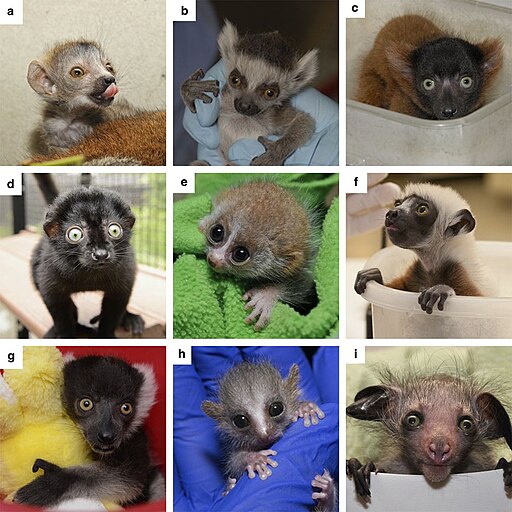
a) crowned lemur, b) ring-tailed lemur, c) red ruffed lemur, d) blue-eyed black lemur, e) pygmy slow loris, f) Coquerel’s sifaka, g) black and white ruffed lemur, h) gray mouse lemur, i) aye-aye lemur
North Carolina wildlife has made some positive strides in 2024. Hopefully, the vulnerable populations of sea turtles, red wolves, red-cockaded woodpeckers, and lemurs will have an even better year in 2025.
 Karen M. Free
This is all great news and I knew none of it. It put me in a better mood. Thanks for sharing!
LikeLike
Yes, it was news to me too. I had to do some digging.
LikeLike